


The Ultimate Guide to Fostering Children’s Creativity
Encouraging children’s creativity is essential for their development, helping them to think critically and solve problems effectively. In today’s fast-paced world, nurturing these skills is more important than ever. By engaging kids in creative activities, parents and educators can support their growth into innovative thinkers. This guide explores various methods to inspire creativity in children, ensuring they have the tools needed for future success.
Understanding the Importance of Creativity
The Role of Creativity in Child Development
Creativity plays a crucial role in a child’s overall development. It not only enhances cognitive abilities but also boosts emotional growth. Creative activities encourage kids to explore their imaginations and express themselves uniquely, building confidence and self-esteem.
Long-term Benefits of Fostering Creativity
The benefits of encouraging creativity extend beyond childhood. Creative individuals are often better at problem-solving and adapting to new situations. By fostering creativity early on, children are better equipped to handle challenges throughout their lives, both personally and professionally.
Creating a Creative Environment at Home
Setting Up a Creative Space
Designating a specific area in the home for creative activities can significantly influence a child’s willingness to engage in imaginative play. This space should be inviting and filled with materials that inspire creativity, such as art supplies, building blocks, and books.
Encouraging Open-ended Play
Open-ended play is a key component of fostering creativity. Unlike structured activities, open-ended play allows children to explore and make decisions independently, fostering critical thinking and problem-solving skills.
- Provide toys that can be used in multiple ways, such as blocks or dolls.
- Encourage storytelling and role-playing games.
- Limit screen time to promote active, imaginative play.
Incorporating Arts and Crafts
Simple Craft Ideas for Kids
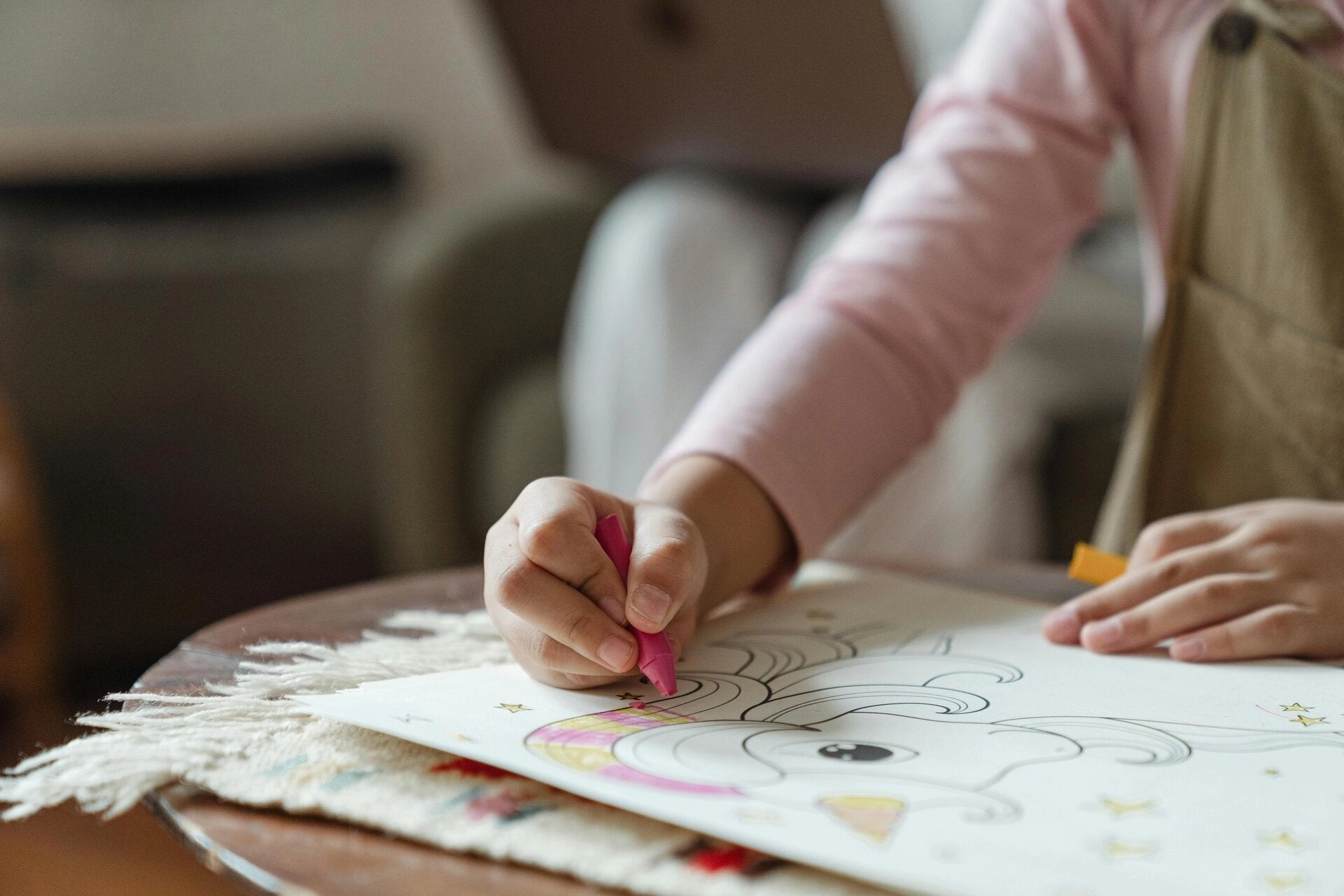
Arts and crafts are excellent tools for enhancing creativity. Simple projects such as painting, drawing, or crafting with recycled materials can ignite a child’s imagination and provide a sense of accomplishment.
Benefits of Artistic Expression
Engaging in artistic activities encourages children to express their emotions and ideas in a safe and supportive environment. This form of expression can help them process experiences and improve their emotional intelligence.
- Try finger painting for sensory exploration.
- Create collages from magazine cutouts to inspire storytelling.
- Use clay or playdough for three-dimensional creativity.
Encouraging Curiosity and Exploration
Promoting Questioning and Exploration
Encouraging children to ask questions and explore their surroundings can greatly enhance their creativity. By fostering a sense of curiosity, parents can help children learn to view the world as a place full of possibilities.
Activities to Stimulate Curiosity
Consider activities that naturally stimulate curiosity and exploration, such as nature walks, science experiments, or visits to museums. These experiences can inspire wonder and lead to creative thinking.
- Plan scavenger hunts to discover new objects and ideas.
- Set up simple science experiments at home.
- Visit local museums or nature centers to spark interest.
Role of Technology in Creativity
Balancing Screen Time with Creative Activities
While technology can be a valuable tool for learning, it’s important to balance screen time with activities that encourage creativity. Interactive apps and educational programs can complement traditional creative play when used appropriately.
Tech Tools that Inspire Creativity
There are numerous apps and digital tools designed to inspire creativity in children, from drawing and animation apps to coding games. These resources can help children develop digital literacy while fostering imaginative thinking.
As you explore these strategies, remember that fostering creativity is a journey, not a destination. Each child is unique, and what works for one may not work for another. Stay flexible and open-minded, allowing your child’s interests to guide your activities and approaches.
FAQs About Fostering Children’s Creativity
How can I encourage creativity in my child?
Encouraging creativity involves providing opportunities for open-ended play, offering various materials for artistic expression, and fostering a sense of curiosity through exploration and questioning. Creating a supportive environment where mistakes are viewed as learning opportunities is also essential.
What are some creative activities for toddlers?
For toddlers, activities like finger painting, building with blocks, and simple role-playing games can be very effective. These activities help develop fine motor skills while allowing young children to express their creativity freely.
Can technology hinder creativity?
While excessive screen time can limit creative play, technology can also be a tool for creativity when used appropriately. Interactive educational apps and creative software can complement traditional play and inspire new forms of creative expression.
Conclusion
Fostering creativity in children is an ongoing process that requires patience, encouragement, and a willingness to explore new ideas. By creating an environment that celebrates imagination and supports creative endeavors, parents and educators can help children develop into innovative thinkers ready to tackle the challenges of the future. Remember, the goal is to empower children with the confidence and skills to express themselves and explore the world in their unique way.
