


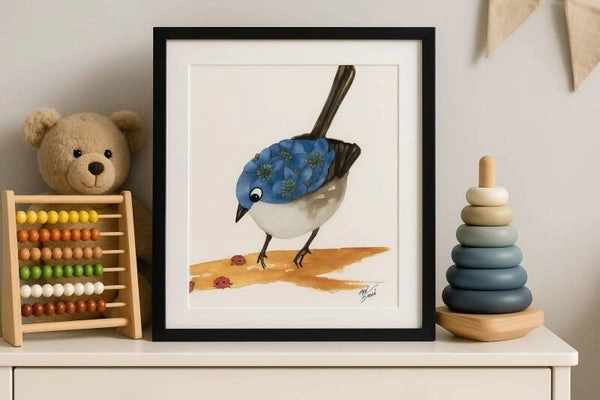
How to Create an Interactive Reading Nook at Home
Creating an interactive reading nook at home can transform your space into a sanctuary for relaxation and learning. An interactive reading nook not only provides a cozy spot for enjoying your favorite books but also incorporates elements that engage your senses and encourage a deeper connection with your reading material. Whether you have a small corner or an entire room to dedicate, designing a reading nook that suits your lifestyle is easier than you think. From selecting the right furniture to integrating technology, this guide will help you create a personalized reading haven that enhances your love for books and stimulates your imagination.
Selecting the Perfect Location
Identify Potential Spots in Your Home
Consider areas in your home that receive natural light, as this is ideal for reading. Look for unused corners in living rooms, bedrooms, or even hallways that could be transformed into a cozy nook.
Evaluate Space and Accessibility
- Ensure the chosen spot is easily accessible and free from distractions.
- Measure the space to understand what furniture and accessories you can accommodate.
- Consider proximity to power outlets if you plan to use electronic devices.
Choosing Comfortable Furniture
Invest in a Quality Reading Chair
Your chair will be the centerpiece of your reading nook. Opt for something comfortable yet supportive, such as a plush armchair or a stylish chaise lounge.
Consider Additional Seating Options
- Floor cushions or bean bags for a casual vibe.
- A small bench or ottoman to stretch out.
- Adjustable seating for versatility in small spaces.
Incorporating Interactive Elements
Utilize Technology to Enhance Reading
Consider adding a tablet or e-reader stand for digital books. Smart lighting systems can adjust the ambiance based on the time of day or your reading preferences.
Add Sensory Elements for Engagement
- Include a small speaker for ambient music or audiobooks.
- Introduce scented candles or diffusers for a calming atmosphere.
- Use textured throws or rugs to enhance tactile experiences.
Organizing Your Book Collection
Install Bookshelves or Bookcases
Choose shelves that fit your space and style. Floating shelves can add a modern touch, while traditional bookcases offer ample storage.
Create a Rotating Display
- Highlight seasonal reads or current favorites.
- Use decorative bookends to add personality.
- Incorporate plants or small art pieces for visual interest.
Adding Personal Touches
Decorate with Personal Mementos
Include photos, travel souvenirs, or artwork that inspires you. These elements can make your reading nook feel uniquely yours.
Customize the Space to Reflect Your Style
- Choose color schemes that promote relaxation and focus.
- Incorporate patterns or textures that you love.
- Use lighting fixtures that complement your aesthetic.
Maintaining Your Reading Nook
Keep the Area Tidy and Organized
Regularly dust shelves and vacuum any textiles to keep the space inviting. A clean nook enhances focus and allows for uninterrupted reading time.
Update the Space as Needed
- Rotate books and decorations seasonally.
- Introduce new interactive elements to keep the space fresh.
- Be open to rearranging furniture for better functionality.
As you embark on creating your interactive reading nook, consider how each element contributes to a cohesive and engaging environment. Tailor the space to suit your personal reading habits and preferences, ensuring it remains a cherished corner in your home.
What if I have limited space?
Even with limited space, you can create a cozy reading nook. Consider using a window seat, a compact corner with a small chair, or even a hammock for an unconventional setup. The key is to maximize vertical space with shelves and keep the area clutter-free.
How can I make my reading nook more interactive?
Integrate technology like smart lighting systems and e-readers. Add speakers for audiobooks or ambient sounds. Sensory elements like scented candles and textured throws can also enhance the interactive experience.
What lighting is best for a reading nook?
Natural light is excellent, but adjustable artificial lighting is crucial for reading after dark. Consider lamps with dimming features or smart bulbs that can change color temperature to reduce eye strain and create a comfortable reading environment.
Conclusion
Creating an interactive reading nook at home is a rewarding project that can significantly enhance your reading experience. By carefully selecting the location, furniture, and accessories, and incorporating interactive elements, you can design a space that encourages relaxation, focus, and inspiration. Personalize the nook to reflect your style, and maintain it regularly to ensure it remains an inviting sanctuary. Whether you’re an avid reader or someone looking to rekindle the joy of reading, an interactive reading nook can be a perfect addition to your home.
Artículos y productos relacionados
- How to Create an Interactive Reading Nook at Home
- How to Integrate Reading into Children’s Daily Routine
- How to Integrate Interactive Storytelling into Daily Routine
- Creative Activities for Rainy Days to Brighten Your Mood
- Benefits of Family Time Without Screens
- The Art and Science of Licking: More Than Just a Gesture
