


Engaging Screen-Free Activities for Kids Aged 3 to 8
In today’s digital age, finding screen-free activities for kids can be a challenge. However, screen-free activities for kids aged 3 to 8 are crucial for their development and creativity. These activities encourage learning, social interaction, and physical activity without the use of screens. Whether you’re looking to limit screen time or just want to enjoy some quality time with your children, this guide offers a variety of engaging options. From creative crafts to outdoor adventures, explore these fun and educational activities that will keep your kids entertained and stimulated.
Creative Arts and Crafts Projects
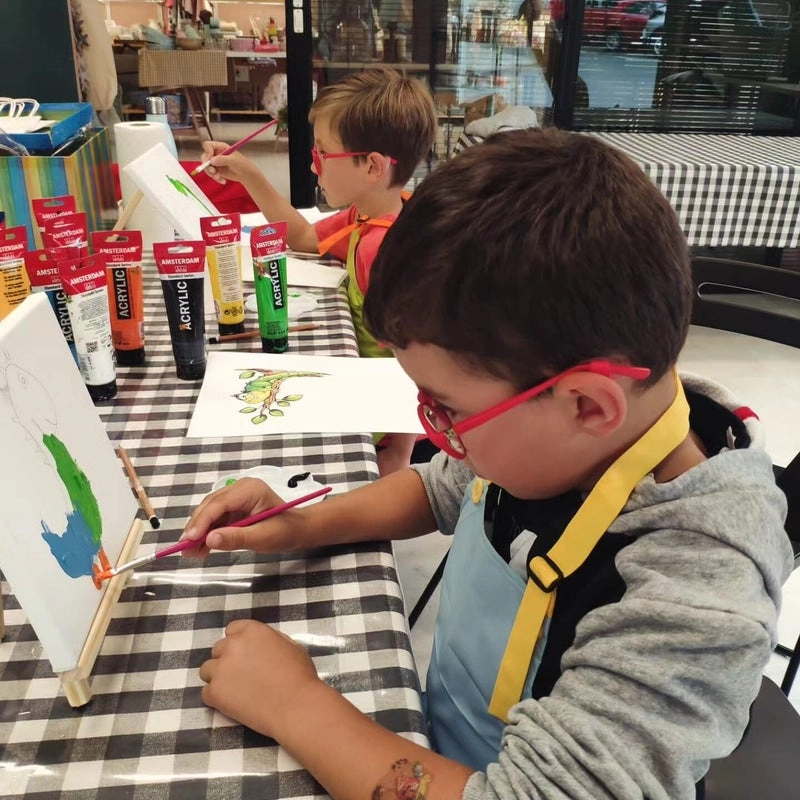
Painting and Drawing
Encouraging children to express themselves through painting and drawing can significantly enhance their creativity and fine motor skills. Provide them with a variety of supplies such as crayons, watercolors, and markers to spark their imagination.
- Set up a mini art station in a corner of your home.
- Encourage themed drawing sessions like «Under the Sea» or «Outer Space».
- Display their artwork to boost their confidence.
DIY Crafting
DIY crafting is a fantastic way to keep little hands busy while teaching them new skills. Using everyday household items, kids can create their own toys and decorations.
- Create a paper plate mask with colors and feathers.
- Make a simple bird feeder using a pine cone and peanut butter.
- Design homemade greeting cards for family and friends.
Outdoor Adventures for Kids
Nature Scavenger Hunts
Organizing a nature scavenger hunt is an exciting way for kids to explore the outdoors while learning about their environment. Create a list of items for them to find, such as pine cones, leaves, or small rocks.
- Choose a safe outdoor location like a park or backyard.
- Provide each child with a checklist and a small bag for collection.
- Discuss the findings and their significance after the hunt.
Gardening Activities
Gardening with children can be both educational and therapeutic. It teaches them about plant life cycles and responsibility as they care for their plants.
- Start with easy-to-grow plants like sunflowers or beans.
- Involve them in watering and caring for the plants daily.
- Use gardening time to discuss the importance of nature and sustainability.
Educational Board Games and Puzzles
Classic Board Games
Board games are a great way to improve cognitive skills and foster family bonding. Choose age-appropriate games that involve counting, strategy, or simple problem-solving.
- Introduce games like «Snakes and Ladders» or «Candy Land» for younger children.
- For older kids, try «Monopoly Junior» or «Guess Who?».
- Encourage teamwork and communication during gameplay.
Puzzle Solving
Puzzles are excellent for developing problem-solving skills and patience. They can be both solitary and group activities, making them versatile for different settings.
- Start with simple wooden puzzles for younger kids.
- Gradually introduce more complex jigsaw puzzles.
- Consider thematic puzzles based on your child’s interests, such as animals or vehicles.
Imaginative Play Ideas
Role-Playing and Dress-Up
Role-playing allows children to explore different scenarios and roles, enhancing their social skills and creativity. Provide a box of costumes and props to inspire their imagination.
- Encourage them to recreate their favorite fairy tales or stories.
- Join in the fun and play roles to enhance the experience.
- Use this opportunity to teach valuable lessons through storytelling.
Building with Blocks
Building with blocks not only supports creative thinking but also improves spatial awareness and hand-eye coordination. Keep a variety of blocks available for free play.
- Challenge them to build structures like towers, bridges, or castles.
- Introduce themes such as «Build a Zoo» or «Create a City».
- Discuss the stability and design of their creations.
As you explore these screen-free activities, you’ll find them not only beneficial for your child’s development but also a great way to bond as a family. Transitioning from screen time to more interactive and physical activities can have lasting positive effects on your child’s growth and happiness. Now, let’s address some common questions parents may have when implementing these activities.
Frequently Asked Questions
How much screen time is recommended for kids?
The American Academy of Pediatrics recommends that children aged 2 to 5 have no more than one hour of screen time per day, with consistent limits for older kids.
Why are screen-free activities important?
Screen-free activities are crucial as they promote physical activity, creativity, critical thinking, and social interaction, which are essential for a child’s holistic development.
How can I encourage my child to participate in screen-free activities?
Make screen-free activities fun and engaging by participating with them. Offer a variety of options to cater to their interests and praise their efforts and achievements.
Conclusion
Incorporating screen-free activities into your child’s routine is a rewarding endeavor that fosters their growth and development. By providing a balanced mix of creative, educational, and physical activities, you can help your child thrive in a digital world while enjoying meaningful, screen-free experiences. Embrace these opportunities to connect with your child and watch them explore their world with curiosity and joy.
Artículos y productos relacionados
- How to Teach Values Through Children’s Stories
- Guide for Parents on Creative Books for Children
- How to Choose the Best Interactive Children’s Book
- Effective Tips for Engaging Kids in Creative Activities
- The Benefits of Interactive Reading in Child Emotional Development
- How to Choose the Perfect Story for Every Age
