


How to Motivate Children to Draw and Color
Encouraging children to draw and color can be a rewarding endeavor, unlocking their creativity and boosting their confidence. When you motivate children to draw and color, you’re not only fostering artistic skills but also enhancing their cognitive and emotional development. In today’s digital age, it is crucial to balance screen time with activities that stimulate a child’s imagination. This article explores various strategies to inspire your children to engage in drawing and coloring, helping them to express themselves and develop essential skills.
Create an Inspiring Art Space
Choose the Right Location
Select a spot in your home that is well-lit and easily accessible for your child. A dedicated art space encourages regular use and gives children a sense of ownership over their creative environment.
Stock Up on Supplies
Ensure the art space is equipped with a variety of materials. Consider including:
- Crayons, colored pencils, and markers
- Different types of paper and coloring books
- Paints and brushes for more diverse expression
Keep it Organized
Organize supplies in a way that is easy for children to access. Use bins and shelves to keep everything tidy, fostering an environment where creativity can flourish without chaos.
Encourage Regular Art Time
Set a Routine
Incorporate drawing and coloring into your child’s daily or weekly schedule. Regular practice helps build habits and keeps their creative juices flowing.
Make it a Family Activity
Join your children in drawing and coloring sessions. This not only makes the activity more enjoyable but also shows them that creativity is valued and fun for all ages.
Celebrate Their Artwork
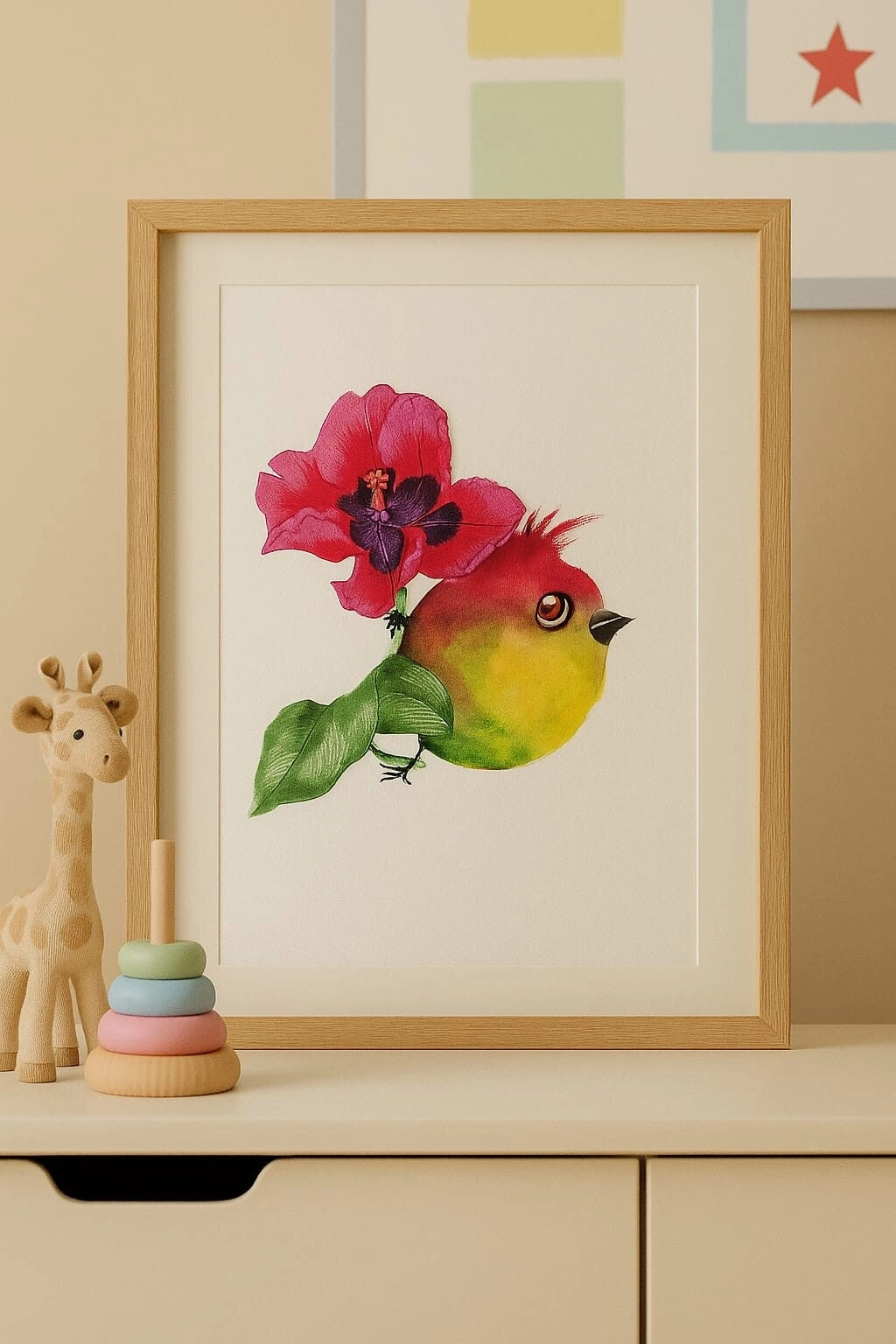
Display their creations around the home. This recognition boosts their confidence and encourages them to continue exploring their artistic talents.
Provide Inspiration and Themes
Introduce New Ideas
Offer themes or prompts to spark their imagination. Ideas like «draw your favorite animal» or «create a magical world» can get them excited to start a new project.
Use Storybooks and Movies
Encourage children to draw scenes or characters from their favorite stories. This not only makes drawing relatable but also helps them connect emotionally with their art.
Explore Nature
Take children outside to draw landscapes or objects found in nature. This hands-on experience can be refreshing and provide endless inspiration.
Integrate Technology Wisely
Utilize Educational Apps
Introduce apps that teach drawing and coloring techniques. These can complement traditional methods and offer interactive learning experiences.
Balance Screen and Paper
Encourage children to alternate between digital drawing tools and physical materials, ensuring they develop a well-rounded set of artistic skills.
Monitor Content
Ensure any digital resources are age-appropriate and safe, providing a positive and enriching experience for your child.
Foster a Supportive Environment
Offer Positive Feedback
Provide constructive and encouraging feedback on their artwork. Highlight their strengths and gently guide them on areas for improvement.
Avoid Criticism
Refrain from criticizing their artistic choices. Instead, focus on the effort and creativity they display, fostering a positive attitude towards art.
Encourage Experimentation
Allow children to explore different techniques and styles without fear of making mistakes. This freedom can lead to greater creativity and confidence.
By implementing these strategies, you can successfully motivate children to draw and color, nurturing a lifelong appreciation for art. As they grow and develop their skills, they will gain confidence in their abilities and find joy in self-expression. Let’s explore some frequently asked questions about encouraging children’s artistic pursuits.
What age should children start drawing?
Children can start drawing as early as 18 months, using simple tools like crayons. However, each child develops at their own pace, so it’s important to provide opportunities and encouragement when they show interest.
How do I handle a child who refuses to draw?
If a child is reluctant to draw, try introducing art through play or storytelling, or provide them with different materials to spark interest. Patience and gentle encouragement are key.
Are there benefits to coloring for older children?
Yes, coloring can help older children develop fine motor skills, concentration, and stress relief. It’s a beneficial activity for all ages, promoting creativity and relaxation.
Conclusion
Motivating children to draw and color is a wonderful way to enhance their creativity and self-expression. By creating an inspiring environment, encouraging regular practice, and providing supportive feedback, you can help your child develop a love for art that will benefit them throughout their lives. Remember, the key is to make art a fun and enjoyable experience, allowing them to explore and express their unique perspectives.
