


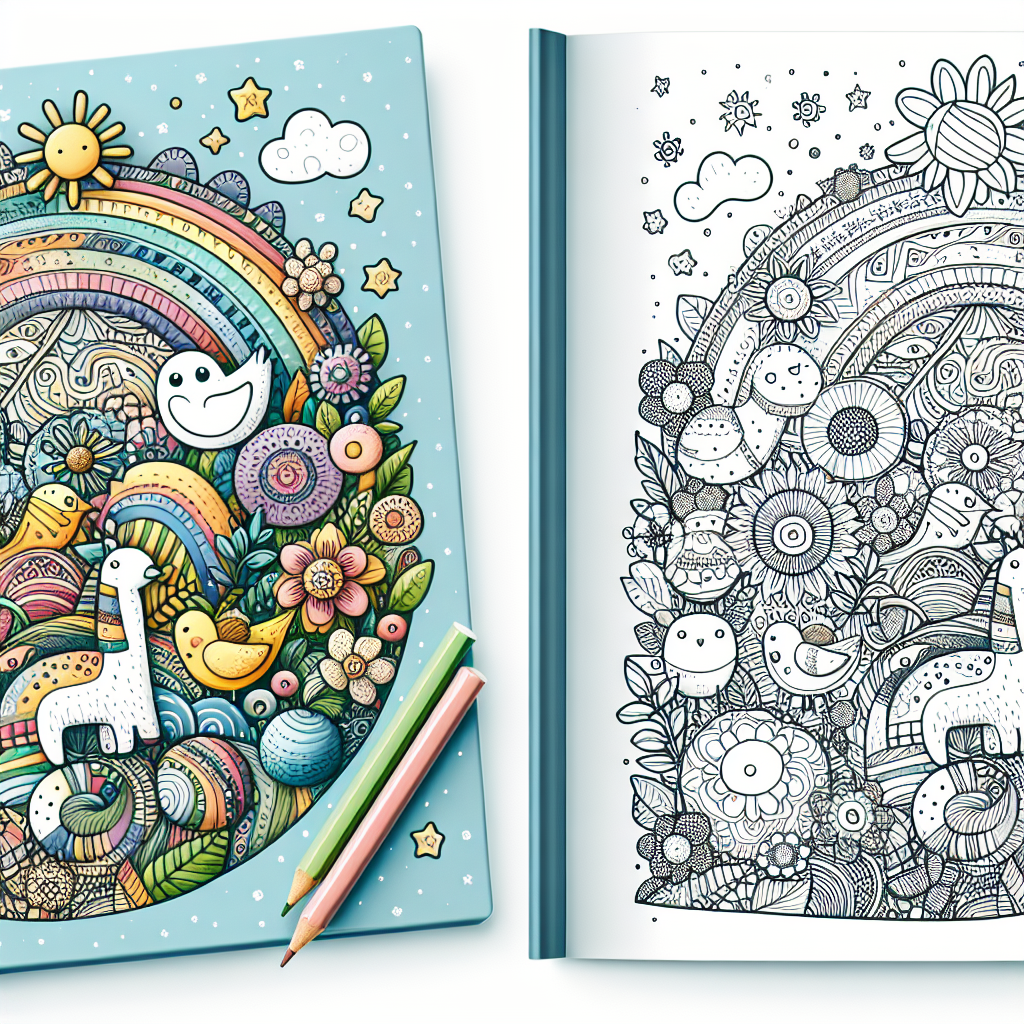
The Magic of Interactive Children’s Books
Interactive children’s books are revolutionizing the way young minds engage with reading. By blending traditional storytelling with interactive elements, these books offer a dynamic learning experience that captivates children and encourages a love for reading. Whether through touch, sound, or movement, interactive children’s books provide an immersive experience that stimulates creativity and cognitive development. In this article, we’ll explore the different types of interactive books available, their benefits, and tips for selecting the right one for your child.
Types of Interactive Children’s Books
Touch and Feel Books
Touch and feel books are designed to engage a child’s sense of touch. These books often include various textures that children can feel, enhancing sensory development.
- Textured surfaces like fur or sandpaper
- Interactive flaps to lift
- Embossed images for tactile tracing
Sound Books
Sound books incorporate audio elements that play sounds or music when activated. They are perfect for auditory learners and can introduce children to different sounds and languages.
- Buttons that play animal sounds or musical notes
- Stories narrated through audio
- Interactive songs or rhymes
Pop-up Books
Pop-up books feature three-dimensional pages that spring to life as the book is opened. These books engage visual learners and add an element of surprise to storytelling.
- Intricate paper engineering for dynamic scenes
- Themes ranging from fairy tales to science
- Fold-out pages for expanded content
Benefits of Interactive Children’s Books
Encourages Active Participation
Interactive books require children to engage actively, promoting better retention and understanding of the story.
- Promotes critical thinking and problem-solving
- Encourages children to ask questions
- Fosters a deeper connection with the narrative
Enhances Sensory Development
By stimulating multiple senses, interactive books help children develop critical sensory skills early on.
- Improves hand-eye coordination
- Develops auditory and visual processing skills
- Enhances memory through multisensory experiences
Supports Language and Literacy Skills
Interactive books introduce children to new vocabulary and storytelling techniques, supporting early literacy.
- Expands vocabulary with contextual learning
- Teaches narrative structure and sequencing
- Encourages language play and exploration
Choosing the Right Interactive Book
Consider Age Appropriateness
When selecting an interactive book, it’s important to consider the child’s age to ensure the content is suitable and engaging.
- Books for toddlers with simple textures and sounds
- Complex stories and activities for older children
- Age-specific themes and topics
Evaluate Educational Value
Look for interactive books that offer educational benefits, such as teaching counting, the alphabet, or social skills.
- Books that teach basic math and language skills
- Stories that promote emotional intelligence
- Interactive elements that encourage learning through play
Check Quality and Durability
Interactive books should be durable to withstand frequent handling by young children. Consider materials and construction.
- Sturdy board books for toddlers
- High-quality binding and pages
- Safe, non-toxic materials
As you explore the world of interactive children’s books, remember the joy and educational value they bring to young readers. These books are not just stories; they are gateways to imagination and learning. Now, let’s address some common questions parents have about interactive books.
Are interactive books suitable for all ages?
Yes, there are interactive books designed for various age groups, from infants to pre-teens. It’s important to choose books that match the developmental stage of the child to ensure they are both enjoyable and beneficial.
How do interactive books support learning?
Interactive books support learning by engaging multiple senses, which can enhance memory and understanding. They introduce new vocabulary, teach problem-solving skills, and encourage active participation, which are all crucial for cognitive development.
Can interactive books replace traditional books?
Interactive books complement traditional books rather than replace them. Each type of book offers unique benefits, and having a mix of both can provide a well-rounded reading experience that supports various aspects of a child’s development.
Conclusion
Interactive children’s books offer a unique way to engage young readers, combining fun with learning. By providing sensory experiences, they help develop essential skills and encourage a lifelong love of reading. As you consider incorporating these dynamic books into your child’s library, remember to consider their age, interests, and developmental needs. With the right selection, interactive books can transform reading into an adventurous and educational journey.
