

Exploring the Latest Trends in Creative Children’s Books
Creative children’s books have always played a crucial role in nurturing young minds, sparking imagination, and fostering a love for reading. As we delve into 2023, the landscape of children’s literature continues to evolve with exciting new trends that cater to the diverse needs and interests of today’s young readers. From interactive storytelling to culturally diverse narratives, creative children’s books are more engaging and impactful than ever before. In this article, we explore the latest trends in creative children’s books that are capturing the hearts and minds of kids and parents alike.
Interactive Storytelling Experiences
Augmented Reality Books
Augmented reality (AR) is making waves in the realm of children’s literature. By merging digital technology with traditional book formats, AR books offer an immersive reading experience. These books allow children to see characters come to life through a smartphone or tablet, enhancing engagement and understanding.
Choose-Your-Own-Adventure Formats
The choose-your-own-adventure format has seen a resurgence in popularity. These books empower children to make decisions that affect the story’s outcome, encouraging critical thinking and active participation in storytelling.
Interactive Elements and Pop-Ups
From lift-the-flap features to pop-up illustrations, interactive elements in children’s books captivate young readers by making reading a hands-on experience. These features not only entertain but also help develop fine motor skills.
Culturally Diverse Narratives
Books Celebrating Diversity
There is a growing demand for children’s books that celebrate cultural diversity. These books introduce young readers to different cultures, traditions, and perspectives, fostering empathy and understanding from an early age.
Stories by Diverse Authors
Authors from diverse backgrounds are bringing authentic voices and experiences to children’s literature. This trend not only enriches the literary landscape but also provides representation for children from various cultural backgrounds.
Multilingual Children’s Books
Multilingual books are becoming more prevalent, offering stories in multiple languages. These books support language development and help children embrace linguistic diversity.
Focus on STEM and Educational Content
STEM-Themed Books
With the increasing emphasis on science, technology, engineering, and mathematics (STEM) education, children’s books that incorporate these themes are gaining popularity. These books make complex concepts accessible and engaging for young minds.
- Books with simple science experiments
- Stories featuring young inventors and scientists
- Math-themed adventures
Educational Series and Characters
Educational series featuring recurring characters help children build familiarity and interest in specific subjects. These books often include activities and quizzes to reinforce learning.
Environmental Awareness Books
As environmental concerns grow, children’s books focusing on sustainability and nature are becoming more common. These stories inspire kids to care for the planet and understand their role in protecting it.
Emphasis on Mental Health and Wellbeing
Books Addressing Emotions
Books that address emotions and mental health are crucial in helping children navigate their feelings. These stories often include tools and strategies for managing emotions and building resilience.
Mindfulness and Relaxation Techniques
Mindfulness books introduce children to relaxation techniques, helping them manage stress and improve focus. These books often include guided exercises and are designed to be interactive.
Stories Promoting Positive Self-Esteem
Books that promote self-esteem encourage children to embrace their individuality and build confidence. These stories celebrate differences and teach important lessons about self-worth.
Innovative Illustrations and Art Styles
Unique Art Styles and Mediums
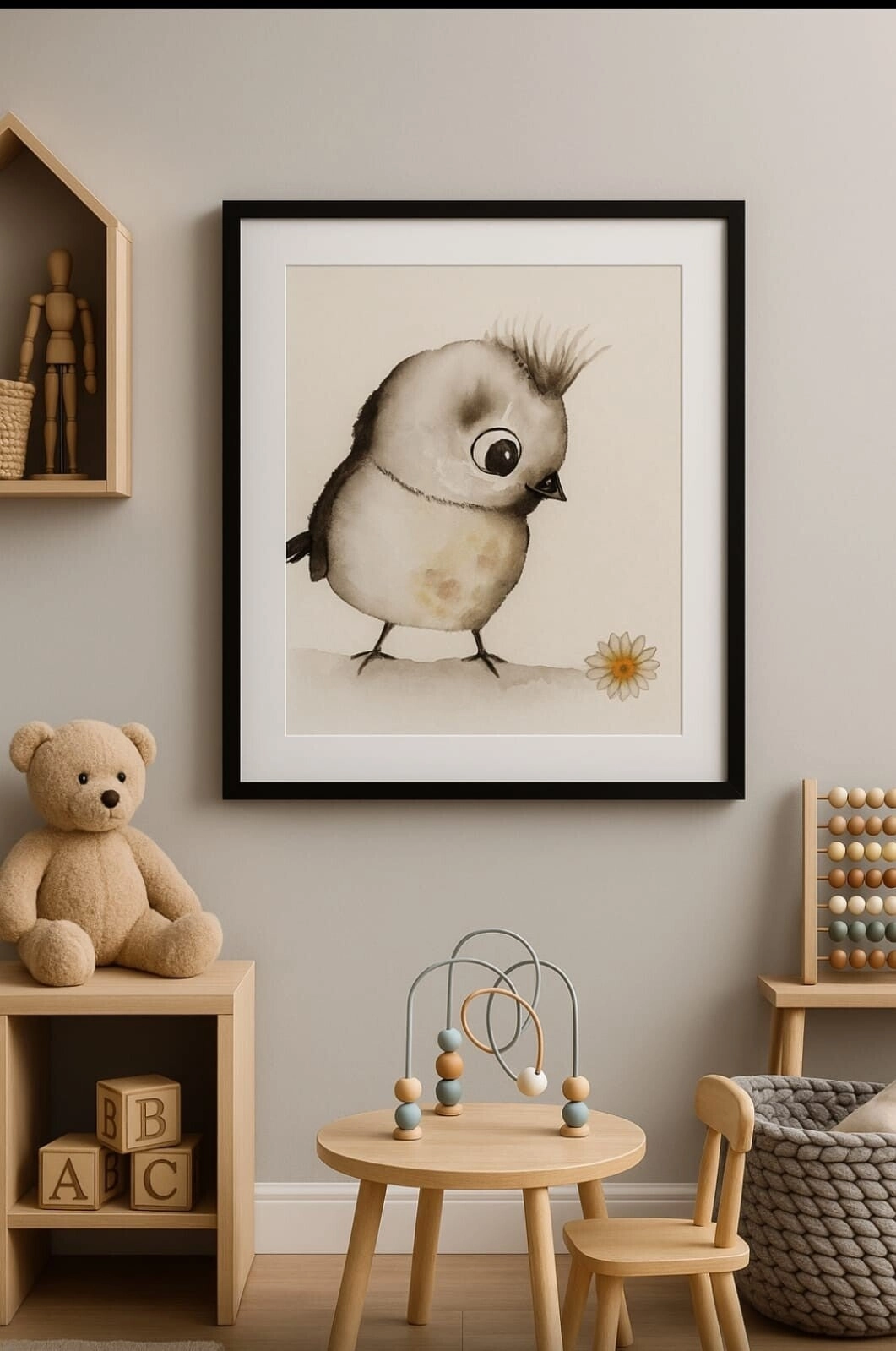
Innovative art styles are capturing the imaginations of young readers. Books featuring diverse artistic mediums, from collage to digital art, provide a visual feast that complements engaging narratives.
- Collage and mixed media illustrations
- Bold and vibrant color palettes
- Minimalist and abstract designs
Illustrator and Author Collaborations
Collaborations between illustrators and authors are producing stunning works that blend visual art with storytelling. These partnerships create cohesive and memorable reading experiences.
Graphic Novels for Younger Readers
Graphic novels are no longer just for older kids; they’re now designed for younger audiences too. These books blend visual storytelling with text, making them accessible and captivating for emerging readers.
As we explore these exciting trends in creative children’s books, it’s evident that the world of children’s literature is vibrant and ever-evolving. Parents, educators, and young readers are benefiting from a rich selection of books that entertain, educate, and inspire. But what does this mean for the future of children’s books?
What makes a children’s book creative?
A creative children’s book often incorporates innovative storytelling techniques, interactive elements, diverse narratives, and unique art styles. These features engage young readers and stimulate imagination.
How do cultural narratives benefit children?
Cultural narratives expose children to different perspectives and traditions. They foster empathy, understanding, and appreciation for diversity, which are essential skills in a global society.
Why are interactive books important?
Interactive books engage children actively, enhancing their reading experience. They improve comprehension, encourage participation, and develop fine motor skills through hands-on elements.
Conclusion
The trends in creative children’s books are setting new standards for how stories are told and experienced. From innovative technologies to culturally rich narratives, these books are more than just entertainment; they are tools for learning, growth, and empathy. As we continue to support and celebrate these trends, we lay the foundation for a new generation of readers who are curious, informed, and imaginative. The future of children’s literature is indeed bright, and it promises to inspire countless young minds for years to come.
